Beat Delays in Rubbish Pickup Harringay N4
Posted on 30/10/2026
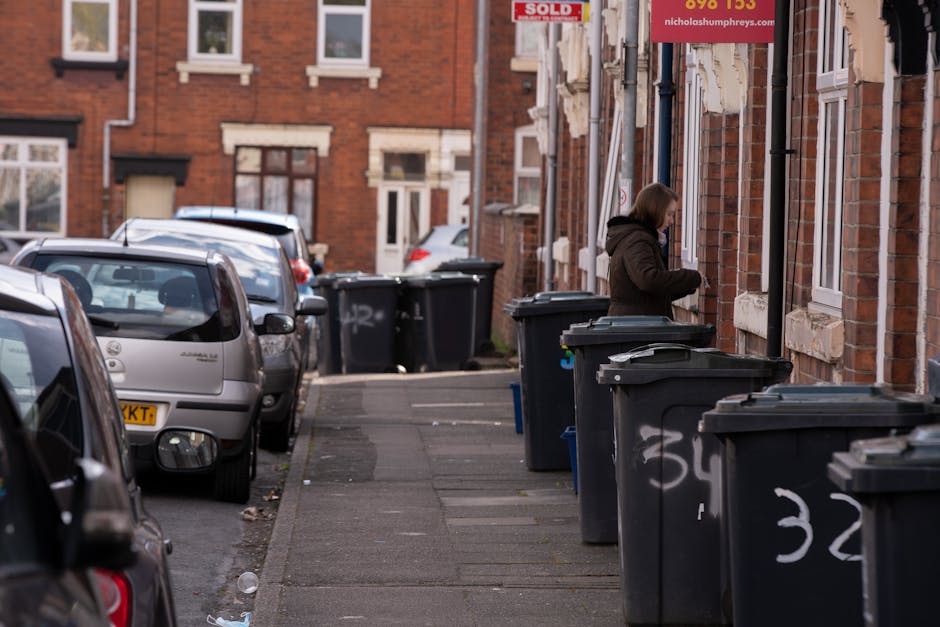
If you are trying to beat delays in rubbish pickup Harringay N4, you are probably dealing with one of those annoyingly ordinary problems that can throw off an entire day. Bags start piling up, bins overflow, the hallway smells a bit off by late afternoon, and suddenly a simple collection becomes a small household crisis. Truth be told, most delays are avoidable once you know what tends to cause them and how to plan around them.
This guide breaks the process down in plain English. You will see why delays happen in the first place, how local rubbish collection usually works, what to do before collection day, and how to reduce the chance of last-minute stress. Whether you are a homeowner, tenant, landlord, shop owner, or managing a move, the aim is the same: get waste cleared on time with less faff and fewer surprises.
Why Beat Delays in Rubbish Pickup Harringay N4 Matters
Delays in rubbish pickup are more than an inconvenience. In a busy North London area like Harringay N4, they can affect hygiene, access, neighbour relations, and even how smoothly a property is used day to day. If waste sits around too long, it can attract pests, make shared spaces unpleasant, and create friction in flats, terraces, or mixed-use buildings where people already share tight space.
There is also a timing issue. In real life, most rubbish problems do not happen on a quiet, tidy schedule. They show up after a clear-out, before a tenancy handover, after a renovation, or right before a weekend event. One missed pickup can easily spill into two or three days of extra mess. Not ideal.
For businesses, the impact can feel sharper. A shop on a local high street, a cafe, or an office with limited storage cannot always afford a backlog of waste. A delay can mean blocked rear access, unpleasant odours, and a very visible reminder that the place is not running smoothly. And for residents, especially in smaller homes, even a short delay can make the whole property feel cluttered and cramped.
So the real value of beating delays is not just speed. It is predictability. It is knowing what happens next, who is responsible, and how to reduce the chances of waste hanging around longer than it should.
Practical takeaway: the fastest rubbish clearance is not always the one booked first. It is usually the one that is prepared properly, with access, loading, and waste type made clear from the start.
How Beat Delays in Rubbish Pickup Harringay N4 Works
The basic process is simple, but a few small details make a big difference. A collection crew needs clear access, the right information about the waste, and a realistic plan for loading. If any of those pieces are missing, delays can creep in. Sometimes they are tiny delays; sometimes the job gets rescheduled altogether. Frustrating, but common enough.
In most cases, the process works like this: you identify the waste, decide whether it is suitable for collection, request a pickup or removal slot, prepare the items, and make sure the crew can get to them without obstruction. If the load includes bulky items, heavy builder's waste, mixed materials, or awkward access through narrow frontages or shared hallways, that should be mentioned early. It saves everyone a headache later.
The other part of how this works is local timing. In Harringay N4, parking pressure, narrow streets, shared driveways, and controlled access points can all slow things down. A collection team may arrive on time but still lose minutes if they need to wait for a resident, locate the right entrance, or work around blocked access. A few extra minutes here and there may not sound like much, yet they add up quickly across a busy day.
If you are arranging a larger clearance, it can help to think in layers:
- What needs removing? General rubbish, bulky items, garden waste, office waste, builders' debris, or a full property clearance.
- How easy is access? Ground floor, stair access, rear alley, permit zone, shared entrance, or loading bay.
- How urgent is it? Same-day, next-day, planned collection, or tied to a move-out deadline.
- How much volume is involved? A few bags, a mixed load, or a full van-load of waste.
The clearer those answers are, the less chance there is of delays later on. That is the quiet trick, really.
Key Benefits and Practical Advantages
Beating rubbish pickup delays is not just about speed for speed's sake. The benefits are practical, and in a local setting they can be very noticeable.
1. Less disruption at home or work
When waste is removed on time, rooms stay usable, pathways stay clear, and the whole space feels calmer. You are not stepping around bags in the kitchen or trying to squeeze past cardboard in the hallway. Simple, but a relief.
2. Better hygiene and presentation
Overflowing rubbish can quickly change the feel of a property. In flats, shared houses, and customer-facing spaces, keeping waste under control helps the place feel looked after. That matters more than people admit.
3. Fewer last-minute costs
Delays can create knock-on costs. For example, you might need an extra collection, additional labour, or a second visit if access was not ready. Planning carefully often avoids those extras. If you want to compare pricing before booking, the page on pricing and quotes is a sensible place to start.
4. Easier scheduling around busy life
If you are moving house, managing a property, or cleaning out after tradespeople, time matters. A reliable collection window means fewer awkward delays in the day. And less waiting around. Nobody enjoys that part.
5. Better waste handling decisions
Once you plan for a prompt pickup, you are more likely to separate recyclables, identify bulky waste correctly, and avoid mixing materials that slow the process. That is good for efficiency and, frankly, it is just tidier thinking.
Who This Is For and When It Makes Sense
This approach makes sense for anyone who wants waste collected without the usual stall points. But it is especially useful for a few groups.
Homeowners and tenants
If you are dealing with a weekend clear-out, broken furniture, or a post-renovation mess, timing is usually the issue. You want the rubbish gone before it starts taking over the place. Fair enough.
Landlords and letting agents
Between tenancies, delays can slow redecoration, cleaning, and viewings. A late pickup can push back the next stage of work. That is one of those small logistical snags that becomes a bigger one fast.
Businesses
Shops, offices, hospitality venues, and small workshops all depend on tidy back-of-house areas. If rubbish starts building up, operations can become awkward. Staff trip over boxes, deliveries get complicated, and it all looks a bit second-rate.
Builders and trades
Rubble, packaging, offcuts, and mixed construction waste need quick, organised removal. If the collection is delayed, the job site gets messy and movement slows down. For heavier loads, it is worth reviewing builders' waste disposal in Haringey before you book.
People clearing a property
House clearances often involve emotion as well as logistics. The last thing anyone wants is waste hanging around for days after the hard part is done. A well-planned pickup can make the process feel more contained and manageable.
If you are unsure what type of service fits your situation, the overview at services overview is useful for understanding the broader options before you commit to anything.
Step-by-Step Guidance
If you want to reduce delays, this is the simplest way to approach it. Nothing fancy. Just a practical sequence that works well in the real world.
- Identify the waste properly. Separate general rubbish from bulky items, garden material, and any heavier debris. A quick sort now saves time later.
- Estimate the volume. Even a rough estimate helps. One sofa and five bags is very different from a full garage clear-out, and the vehicle size matters.
- Check access before booking. Look at gates, stairwells, parking, lift access, and whether the load needs to come from a rear entrance. If a van cannot get close, collection slows down.
- Choose the right collection window. Early slots can be useful if you want the area clear before the rest of the day gets busy. Midday can work too, but be honest about access. Do not assume someone will magically appear with a spare key or open gate.
- Prepare the waste in advance. Put items in a clear, safe place where they are easy to load. Keep walkways open. Tape sharp edges if needed.
- Flag unusual items early. Mattresses, fridges, plasterboard, broken glass, or mixed construction waste can require extra handling. Mention them up front.
- Confirm the arrangement. Make sure the pickup time, access point, and waste type are all agreed. This is the boring bit. It matters.
- Be ready on the day. If the crew arrives and the waste is not ready, or the access is blocked, the job may slow down immediately.
A small but useful habit: take a quick photo of the waste before collection if the load is unusual. It helps avoid confusion and saves back-and-forth later. Nothing dramatic. Just sensible.
Expert Tips for Better Results
In practice, the smoothest rubbish pickups usually come down to a handful of habits. Not secrets, just good preparation.
Use the easiest route, not the nearest one. Sometimes the front door is closest but awkward, while a side passage or rear access is actually more efficient. Think through the movement of the load, not just the map of the building.
Clear the loading path completely. Stairs, tight hallways, garden furniture, bikes, prams, and half-open bin lids all slow the job. That one stray plant pot can become a tiny obstacle course. It sounds silly until you see it happen.
Keep mixed waste under control. General rubbish, recyclable material, and heavy waste often move differently. If everything is piled together, sorting takes longer. A bit of separation helps the whole collection move faster.
Schedule around local pressure points. In busier parts of London, parking and road access can be trickier at school run times, around commuter peaks, or during local events. A little timing awareness goes a long way.
Have a backup contact or access plan. If the crew needs a gate opened or a resident to confirm entry, make sure someone is reachable. One missed call can hold up the lot.
Use a reputable, licensed provider. The cheapest option is not always the smoothest, and not always the safest. If you want a sense of standards and safety expectations, the page on licensed collection teams and safety standards is worth reading.
One more thing: if you are dealing with a larger or more complex job, do not be shy about asking how the collection will be handled. A good provider should be able to explain the process clearly, without jargon or vague promises.

Common Mistakes to Avoid
Most delays are caused by a small number of avoidable mistakes. The good news is that once you know them, they are easy enough to sidestep.
Leaving waste unprepared
Piles that still need sorting, bagging, or moving to the curb can slow everything down. If a crew arrives and has to wait while items are still being gathered, the slot can disappear quickly.
Underestimating volume
This one happens all the time. What looks like "a few bags" turns into more than the vehicle can take. Then the collection has to be adjusted, and delays follow. It is best to overestimate slightly than to be caught short.
Not mentioning access problems
Locked gates, narrow access, steep steps, shared entrances, and parked cars all matter. If you leave those details out, you are setting up avoidable friction.
Mixing unsuitable waste
Some waste types may need separate handling. Mixing them can complicate the job and lead to extra time on site. It can also affect disposal rules, which is not something to wing casually.
Assuming a time slot equals immediate service
Even a booked slot can shift a bit depending on traffic, parking, previous jobs, or access. It is wise to leave a small buffer. Not glamorous, but useful.
Choosing a service without checking terms
Payment timing, loading expectations, access responsibility, and acceptable waste types should all be clear. If you skip the fine print, you may end up with misunderstandings that could have been avoided in two minutes.
Tools, Resources and Recommendations
You do not need much to keep rubbish pickup on track, but a few practical tools help a lot.
Basic measuring tape or rough room count
If you are estimating bulky waste, a tape measure or even a quick visual count of items helps make the booking more accurate.
Phone camera
A few photos of the load, access route, and any awkward items can help prevent confusion. It is one of the simplest tools available and, honestly, one of the most useful.
Marker labels or coloured tape
Useful if you want to separate items that are staying from items that are going. It reduces accidental mix-ups during a busy clear-out.
Clear bags and gloves
For smaller waste jobs, proper bagging and basic protection make the prep stage safer and faster. No need to overcomplicate it.
Service comparison notes
Write down what matters most to you: speed, waste type, access support, full clearance, or price. That makes it easier to compare options without getting lost in the noise.
For broader residential or commercial waste needs, you may also find these pages helpful: rubbish collection in Haringey, waste removal in Haringey, and house clearance services in Haringey. They give a better sense of which route suits the job rather than guessing and hoping for the best.
Law, Compliance, Standards, or Best Practice
Waste removal in the UK is not something to treat casually. Even for a straightforward pickup, best practice matters because waste has to be handled, transported, and disposed of responsibly. You do not need to become a compliance expert, but you should know the basics.
Use a responsible, licensed operator
That is the big one. If waste is collected by the wrong party and ends up fly-tipped or mishandled, the trouble can come back to the original waste holder. Not fun, and very avoidable.
Be clear about what is being removed
Accurate waste descriptions help the collector plan properly and dispose of items appropriately. Mixed or restricted waste should never be guessed at.
Follow safe loading practices
Heavy items, sharp edges, broken glass, and awkward furniture all deserve care. Safe handling is part of the job, not an optional extra.
Respect local access and parking conditions
In busy parts of London, a collection may need to work around parking restrictions or shared access. Give enough information in advance so the job can proceed safely and efficiently.
Check terms before booking
Payment terms, cancellation rules, and what happens if access is blocked are all worth checking. If you like to understand the small print before anything else, the page on terms and conditions is there for that reason.
Tip: if the waste involves builder's debris, business waste, or anything potentially mixed with recyclable material, it is worth reading up on practical handling guidance before the day arrives. A careful booking prevents a lot of stress later.
Options, Methods, or Comparison Table
There are a few common ways to deal with rubbish in Harringay N4, and the best one depends on urgency, waste volume, and how much help you need. Here is a simple comparison.
| Method | Best for | Pros | Watch-outs |
|---|---|---|---|
| Wait for routine collection | Small, standard household waste | Low effort, no special booking | Can be delayed by missed bins, timing, or local restrictions |
| Private rubbish pickup | Bulky items, urgent clear-outs, mixed waste | Flexible timing, quicker removal | Needs clear access and accurate waste details |
| Partial self-clearance plus pickup | Smaller jobs where you can sort ahead | Can reduce loading time and make collection smoother | Requires your own labour and some planning |
| Full clearance service | House moves, end-of-tenancy, large or cluttered spaces | Most convenient, less work for you | Usually the most involved option, so preparation still matters |
In our experience, the most efficient jobs are rarely the most complicated ones. They are the ones where the client has already made the key decisions: what is going, where it is, and how access works. That is half the battle, to be fair.
Case Study or Real-World Example
Imagine a two-storey terrace in Harringay N4 where a family has finished a long-overdue clear-out before a sale. There is a broken wardrobe, a sofa that will not fit through the stairs easily, several bags of mixed household waste, and a few garden items waiting in the back yard. Nothing unusual, but there are two likely delay points: access and volume.
The first attempt to book the pickup is vague. The waste is described as "some furniture and bags", which sounds manageable until the team arrives and finds the side gate locked, the path blocked by planters, and one item far heavier than expected. The job still gets done, but not quickly. A bit of time is lost while someone finds the key and clears the route.
Now imagine the same job done properly. The client sends a photo, gives a more accurate list of items, clears the path the day before, and confirms the best entry point. The crew arrives, loads in a steady flow, and the whole process feels almost boring in the best possible way. In rubbish pickup, boring is great. Boring means smooth.
That small difference is exactly why delays can be beaten. Not by luck, but by prep.
Practical Checklist
Use this checklist before collection day. It is simple, but it catches most of the common slip-ups.
- Confirm the waste type and volume.
- Separate items that need special handling.
- Check the access route from street to pickup point.
- Move cars, bins, bikes, and obstacles out of the way.
- Make sure gates, doors, or keys are available.
- Keep the waste in one clearly visible location.
- Take photos if the load is unusual or bulky.
- Double-check the collection time and any arrival window.
- Have someone reachable by phone if access needs to be opened.
- Review terms, payment details, and any restrictions before the day.
Quick sanity check: if a stranger had to collect the rubbish with no context, would they be able to do it easily? If the answer is "probably not", tighten up the prep a bit more.
Conclusion
Beating delays in rubbish pickup Harringay N4 is really about control, not luck. When you plan the load properly, prepare access, and choose the right kind of service, the whole process becomes smoother and far less stressful. That applies whether you are clearing a single bulky item or sorting out a bigger job after a move, renovation, or business refit.
The main lesson is straightforward: give the collection team the best possible setup and they can work quickly and safely. Leave the hard bits vague, and delays creep in. It is as simple as that, really.
If you are ready to make the process easier, start by comparing the service that fits your waste type and timing, then prepare the access route before collection day. Small steps, big difference. And once it is cleared, you will notice the space feels lighter almost immediately.
Get a free quote today and see how much you can save.
Sometimes the best feeling is just walking into a clean, clear room and realising the mess is finally gone. Lovely, that.

 Tipper Van - Rubbish Collection and Commercial Waste Disposal Prices in Haringey, N4
 Luton Van - Rubbish Collection and Commercial Waste Disposal Prices in Haringey, N4