Haringey Council Rubbish Rules and Fines Explained
Posted on 06/06/2026
If you live, work, rent, or manage property in Haringey, rubbish rules can go from "I'll deal with it later" to "why have I got a fine?" very quickly. And to be fair, most mistakes are boring little things: a bag left out too early, the wrong bin on the kerb, builders' waste dumped beside a shared block, or household junk abandoned because the tip trip never happened. This guide to Haringey Council Rubbish Rules and Fines Explained breaks the topic down in plain English so you can understand what matters, what usually triggers penalties, and how to stay on the right side of local waste expectations without making life harder than it needs to be.
We'll cover the basics, common problem areas, how council-style enforcement usually works, and the practical steps that help avoid stress. If you've ever stood in front of a half-full wheelie bin at 8:30pm wondering whether that extra black bag is "probably fine", you're in the right place.
Why Haringey Council Rubbish Rules and Fines Explained Matters
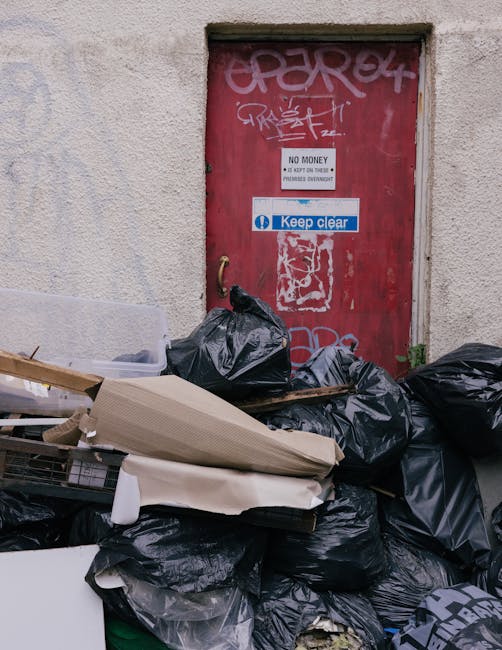
Rubbish rules matter because waste is one of those things people only notice when it goes wrong. A missed collection turns into a row with neighbours. A bag left beside a bin becomes a visual mess by morning. Fly-tipped waste can invite more dumping. And if a property owner, landlord, business, or resident is linked to improper disposal, the consequences can be more than just an awkward look from the street.
In a busy borough like Haringey, waste is not just a household issue. It affects shared housing, flats above shops, garden clearances, office moves, renovation work, and event clean-ups. That's why understanding the rules is useful whether you're sorting a small weekly bin or dealing with a bigger job like house clearance in Haringey, a strip-out after an office move, or garden cuttings after a weekend of hedge trimming.
There's also a reputation angle, especially for landlords and property sellers. A clean frontage can make a home feel cared for; an overflowing pile of bags can do the opposite in seconds. If you've read about local housing demand in pieces like Haringey residential property sales or Haringey real estate and investment, you already know presentation matters. Waste control is part of that picture. Quietly, but absolutely.
Expert summary: The easiest way to avoid rubbish fines is not complicated: use the right container, present it at the right time, separate waste properly, and never dump items outside permitted collections or approved disposal routes.
How Haringey Council Rubbish Rules and Fines Explained Works
At a practical level, rubbish rules usually revolve around four things: what you are disposing of, how you store it, when you put it out, and who is responsible if it goes wrong. The council's enforcement approach is generally aimed at preventing littering, illegal dumping, contaminated recycling, and unsafe waste presentation.
Here's the simple version. If waste is left in the wrong place, in the wrong container, or in a way that creates a mess or health hazard, it may lead to enforcement action. In many cases, a fine is not the first thing that happens. Often there's evidence gathering, a warning, or a clear pattern of non-compliance. But if the issue is serious enough, penalties can follow. And once a thing is documented, it's documented. Not ideal.
The most common scenarios residents and businesses run into include:
- Leaving black bags or loose waste beside bins instead of inside them.
- Putting recycling into the wrong container and contaminating the load.
- Leaving bulky items on the pavement without arranging an approved collection.
- Dumping renovation waste, packaging, or broken furniture near communal bins.
- Allowing commercial waste to mix with household waste in shared premises.
- Using an unlicensed or unsafe disposal route for rubbish removal.
The enforcement logic is pretty straightforward: if waste creates a nuisance, causes fly-tipping, or makes collection harder, it may attract attention. That's why a lot of people choose a managed service for awkward jobs such as rubbish collection in Haringey or waste removal in Haringey when the job is bigger than a standard bin day.
One more thing. The rules are not just about avoiding fines. They also help keep shared streets usable, especially in denser parts of the borough where bin storage is tight and pavements can feel crowded at the best of times.
Key Benefits and Practical Advantages
Following the rules properly has some very unglamorous but real benefits. Nobody posts about them, but you feel them.
- Fewer penalties and complaints. Obvious, but worth saying. A tidy waste routine reduces the chance of fines and neighbour disputes.
- Cleaner shared spaces. This matters in flats, terraces, HMOs, managed blocks, and mixed-use streets.
- Better recycling outcomes. Sorting waste correctly makes collections more reliable and less likely to be rejected.
- Less last-minute panic. If you know what happens on collection day, you avoid the all-too-common "where do I put this?" scramble.
- Safer handling of bulky or awkward waste. Sharp items, heavy bags, and renovation debris are easier to manage when planned properly.
- Better property presentation. Particularly useful for landlords, sellers, and anyone preparing a home for viewings.
There's also a financial angle. Sometimes the cheapest route is not "dump it quickly" but "handle it once, properly". A failed DIY disposal trip can cost more in fuel, time, parking hassle, and stress than a straightforward collection. If you're comparing options, the pricing and quotes page can help you think about the process more clearly, especially for one-off clearances or bigger household jobs.
And if you care about the broader picture, good waste management also supports recycling and sustainability goals. It's not a silver bullet, but it's a meaningful habit.
Who This Is For and When It Makes Sense
This topic is for more people than you might think. In Haringey, rubbish rules and fine risks touch almost everyone at some point.
Homeowners and tenants
If you live in a house, flat, or shared property, you need to know what goes in which bin, how to present it, and what to do with bulky items. Tenants especially should be careful at move-out time. A single forgotten sofa or stack of broken shelves can turn into a dispute very quickly.
Landlords and letting agents
For landlords, waste issues often show up between tenancies, after maintenance work, or when tenants leave items behind. A bad rubbish setup can frustrate neighbours, slow re-letting, and make a property look neglected.
Businesses and office managers
Commercial waste has its own rhythm. Office clear-outs, packaging, old IT kit, filing cabinets, and fixture removal all need a proper plan. If you're dealing with desks, broken chairs, or archive disposal, an organised office clearance in Haringey approach is usually safer than leaving things to chance.
Builders, tradespeople, and DIY renovators
Builders' waste is where people get into trouble fast. Plasterboard, timber offcuts, rubble, tiles, packaging, and broken fittings add up before you know it. If you're working on a kitchen refit or a small renovation, you'll want a proper plan for builders waste disposal in Haringey.
Event organisers and hosts
Festivals, parties, community events, and venue hire can produce more waste in one evening than a household produces in a week. If you've ever watched cups, food boxes, and leftover decor multiply around closing time, you know the feeling. For event-specific cleanup, local context matters, and even a guide like the Alexandra Palace rubbish pickup guide for events can be surprisingly relevant in the planning phase.
Step-by-Step Guidance
If you want to stay compliant and reduce the risk of fines, keep things simple and repeatable. Here's a practical process that works for most households and small businesses.
- Identify the waste type. Is it general household waste, recycling, food waste, garden waste, bulky waste, or construction debris? This decides the next step.
- Check whether it fits your normal collection. Small everyday waste usually belongs in the relevant bin, not beside it.
- Separate recyclable items. Clean materials are easier to recycle. Dirty packaging can contaminate the whole load.
- Bundle bulky items properly. If you have a sofa, mattress, or broken furniture, plan a legal disposal route instead of leaving it outside.
- Book a collection if needed. For larger or time-sensitive jobs, use a reputable waste service rather than improvising.
- Put waste out at the correct time. Timing matters. Too early can look like dumping; too late can mean a missed collection.
- Keep proof of disposal. For business or landlord records, keep receipts, invoices, or collection notes.
- Inspect the area after collection. A quick check stops small leftovers from becoming tomorrow's problem.
In practice, this is where a bit of planning saves a lot of hassle. For same-day pressure, people often look at same-day rubbish collection in Wood Green N22, while others compare the real cost of a local collection against doing it themselves by reading cheap rubbish removal in Tottenham N17. It's not always about the lowest price. It's about the least painful route.
Expert Tips for Better Results
Here's the sort of advice that tends to matter in the real world.
- Don't let waste "float". Waste should have a home: bin, sack, skip, or booked collection. Loose items create ambiguity, and ambiguity is where mistakes happen.
- Use the right container the first time. Re-bagging rubbish in a hurry is how people rip bags, spill waste, and create a mess outside the property.
- Time your clear-out with the calendar. If you're moving, refurbishing, or hosting an event, plan the disposal date before the mess peaks.
- Think about neighbours. In terraces and blocks, a waste pile on a Friday evening can become everyone's weekend complaint.
- Keep sharps and broken items separate. That one small broken mirror or bit of glass can cause more trouble than a whole stack of soft rubbish.
- Use photo checks if you manage property. A quick photo of bins before and after collection can help resolve disputes and show that things were handled properly.
One tiny habit that pays off: do a 30-second "street view" check before you shut the door. If it looks untidy to you in daylight, it will probably look worse by 7am the next day. Funny how that works.
If you want a better sense of broader service options, it can also help to review the services overview alongside the borough's recycling and sustainability approach. That way you can match the disposal method to the waste, instead of forcing the waste into the nearest convenient solution.
Common Mistakes to Avoid
This section is where most avoidable fines and complaints start. The mistakes are usually small, but they stack up.
- Leaving waste beside bins. If the container is full, find the right next step instead of creating an overflow pile.
- Mixing waste types. Recycling contaminated with food waste, paint, batteries, or rubble can create problems.
- Dumping items after a move. End-of-tenancy clear-outs are notorious for this. A "temporary" pile can turn into a long-running issue.
- Assuming someone else will deal with it. In shared homes, this causes rows. In businesses, it causes missed responsibility.
- Using unknown disposal channels. If someone offers to "take it away cheap" and can't explain where it goes, that's a red flag.
- Ignoring garden and builder waste. These are often treated differently from ordinary household rubbish, and that's where people slip up.
Another common misstep is waiting until the problem is visible from the pavement. By then, you are no longer managing waste. You're managing an appearance problem, and potentially an enforcement one too.
Tools, Resources and Recommendations
You do not need a complicated toolkit, but a few simple things make waste management much easier.
- Sturdy bin liners. Thin bags split, and split bags create mess. Not worth it.
- Labelled storage bins or tubs. Helpful in flats, shared houses, offices, and event storage areas.
- Work gloves. Especially useful for moving sharp, dusty, or heavy waste.
- Basic measuring tape. Handy when figuring out whether furniture, appliances, or debris will fit in a van or collection area.
- Phone camera. Use it to record before-and-after states, especially for landlords and businesses.
- A dependable waste plan. That could be your normal collections, a one-off bulky service, or a scheduled clearance solution.
For many readers, the practical next step is simply choosing the right disposal route. If you're dealing with larger mixed waste, it may help to look at garden waste removal in Haringey for green waste, or a wider waste removal in Haringey option for mixed loads. If you just want to understand the company's general approach before deciding, about us is a sensible place to start.
Law, Compliance, Standards, or Best Practice
Waste rules in the UK are shaped by a mix of legal duties, local enforcement, and common-sense good practice. You do not need to memorise every detail to stay safe, but you do need to understand the direction of travel: waste should be stored securely, separated properly where required, and handed over through legitimate disposal routes.
For households, the key standard is usually straightforward compliance with bin presentation rules, collection schedules, and acceptable waste separation. For businesses and landlords, the bar is higher because there may be a duty to ensure waste is handled responsibly, documented appropriately, and not left in a way that creates a nuisance.
In plain English, best practice means:
- Do not leave waste on pavements or beside bins unless a collection arrangement allows it.
- Do not hand waste to anyone who cannot clearly show they are operating legitimately.
- Keep records for business and property management jobs.
- Sort recyclables and hazardous or awkward items separately.
- Use appropriate services for bulky, garden, office, or builders' waste.
If you're uncertain, it's better to pause and check than to assume. That's especially true for mixed loads, renovation debris, or anything that might be considered fly-tipping if left in the wrong place. The rules may sound fussy, but they are usually there for a reason.
Options, Methods, or Comparison Table
Choosing the right disposal method depends on the waste type, the volume, and how quickly you need it gone. Here's a simple comparison to help you decide.
| Method | Best for | Pros | Watch-outs |
|---|---|---|---|
| Normal council-style bin collection | Routine household waste and recycling | Simple, familiar, usually the cheapest way to handle everyday rubbish | Not suitable for bulky items or large clear-outs |
| Bulky or one-off collection | Furniture, mattresses, mixed household waste | Less lifting, less stress, more suitable for awkward loads | Must be arranged properly and timed correctly |
| Garden waste service | Branches, grass cuttings, hedge trimmings | Keeps green waste separate and tidy | Not intended for general rubbish or soil-heavy rubble |
| Builders waste disposal | DIY or renovation debris | Handles heavy, messy material safely | Requires care with sharp, dusty, and mixed materials |
| Office clearance | Desks, chairs, paperwork, office clutter | Useful for business moves and refurbishments | May involve secure handling of confidential waste |
If you're still unsure, the right choice often comes down to one question: do you want to solve the problem once, or keep nudging it around for three more days? In real life, that answer matters.
Case Study or Real-World Example
Here's a realistic example from the sort of situation people deal with all the time.
A small family in a Haringey terrace had just finished clearing out a loft. The job produced old suitcases, broken storage boxes, a child's cot frame, dusty books, and several bags of general rubbish. At first, they considered splitting everything between regular bins over a few weeks. But once the pile sat in the hallway on a damp Monday morning, the plan stopped feeling clever. The bags smelled a bit stale, the cot frame was awkward, and the stairwell was too narrow to keep shifting things safely.
Instead, they separated the recyclable cardboard, kept the broken frame and mixed waste together for a proper collection, and arranged a suitable disposal slot. The result was boring in the best way possible: the waste disappeared, the hallway was clear, and the neighbours were not involved. That's the dream, really.
The key lesson? Waste gets more complicated the longer it sits. A small, organised decision early on usually beats a big, messy decision later.
Practical Checklist
Use this before you put any rubbish out or book any collection.
- Have I identified the waste type correctly?
- Is this suitable for a normal bin, recycling, or a special collection?
- Have I separated recyclable or reusable items?
- Are bags sealed and strong enough to carry the weight?
- Is any bulky or awkward item likely to need a different disposal method?
- Have I checked the timing so nothing sits out too early?
- Am I keeping the area tidy for neighbours and passers-by?
- Do I have proof of disposal if I need it for a tenancy, property, or business record?
- Is there any item that needs extra care, like glass, sharp metal, or confidential paperwork?
- Have I chosen a legitimate route for disposal rather than a guess?
If most of those answers are yes, you're probably in good shape.
Conclusion
Understanding Haringey Council Rubbish Rules and Fines Explained is less about memorising legal fine print and more about building a simple, reliable waste habit. Put rubbish in the right place, at the right time, in the right way, and most of the usual problems never happen. That's the honest truth.
For households, that means fewer bin headaches and less clutter. For landlords and businesses, it means better presentation, fewer complaints, and a cleaner compliance trail. And for anyone handling bulky, garden, office, or builders' waste, it means less stress and a much lower chance of ending up in a mess that could have been avoided in ten minutes.
When in doubt, keep it tidy, keep it legal, and do not leave tomorrow's problem on the pavement tonight.
Get a free quote today and see how much you can save.
If you want to make rubbish management easier in the future, a calm, planned approach is usually the smartest one. Little steps, properly done, go a long way.
 Tipper Van - Rubbish Collection and Commercial Waste Disposal Prices in Haringey, N4
 Luton Van - Rubbish Collection and Commercial Waste Disposal Prices in Haringey, N4