Haringey Waste Transfer Permits What to Know
Posted on 22/10/2026
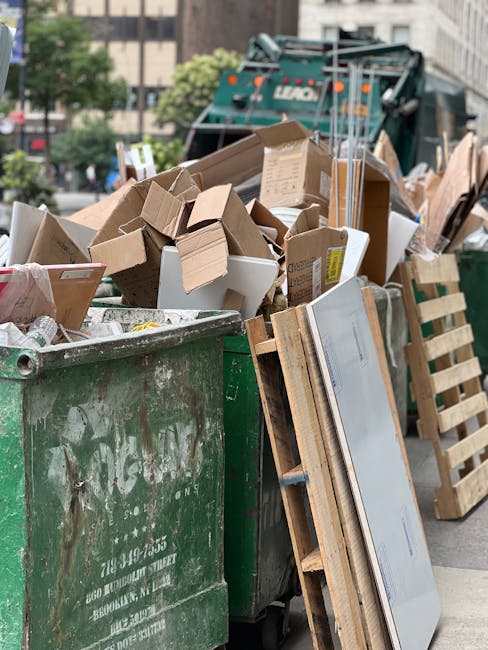
If you are planning a clearance, a building project, or any kind of regular waste movement in north London, Haringey Waste Transfer Permits What to Know is one of those topics that can save you time, money, and a proper headache. The rules can feel a bit opaque at first. One minute you are looking at skip alternatives, the next you are wondering who needs a permit, what counts as transfer, and whether your waste is being handled legally.
This guide breaks it down in plain English. You will learn what a waste transfer permit is, why it matters in Haringey, how the process typically works, what good compliance looks like, and the common mistakes people make when they try to "just sort it later". Spoiler: that rarely ends well.
Why Haringey Waste Transfer Permits What to Know Matters
Waste transfer permissions are not just a box-ticking exercise. In practice, they shape how waste is collected, moved, stored, and handed off. If you are handling rubbish from a renovation, office move, shop refit, garden clearance, or household declutter, the permit side of things helps determine whether the waste stream is properly managed.
That matters in Haringey because the borough is a busy mix of terraces, flats, shops, event venues, construction sites, and tight access roads. A van outside a narrow street in Tottenham is not the same as a straightforward collection in a wide-open industrial yard. The local setting affects logistics, safety, and whether a collection method is suitable in the first place.
People often underestimate the knock-on effect. If permits or permissions are handled badly, you can run into delays, extra charges, access problems, complaints from neighbours, or waste being left behind because the vehicle simply cannot load legally or safely. And nobody wants that on a rainy Tuesday morning with a landlord waiting, do they?
For many readers, the real value is reassurance. Once you understand the permit side, you can decide whether a planned waste transfer route is sensible, whether a licensed collector is the right choice, and what paperwork or checks should be in place before anything leaves the property.
Expert summary: The main job of a waste transfer permit is to support lawful, traceable waste movement. If you are unsure who holds responsibility, start by checking who is collecting, where the waste is going, and whether the carrier can demonstrate proper control end to end.
How Haringey Waste Transfer Permits What to Know Works
To keep it simple, a waste transfer permit is part of the wider compliance process around moving waste from one place to another. The exact wording, paperwork, and responsibilities can vary depending on the activity, the type of waste, and whether the collection is commercial, domestic, or mixed. The important point is that the transfer should be documented and traceable.
In real life, the process often looks like this: waste is assessed, separated if needed, loaded safely, recorded, and then taken to an appropriate destination for reuse, recycling, treatment, or disposal. If the operator is licensed and working properly, there should be a clear paper trail. No mystery bags. No "we'll sort it out later".
For a homeowner clearing a loft, this may simply mean hiring a professional team that can collect and dispose of the material lawfully. For a builder, it may mean dealing with rubble, timber, plasterboard, packaging, and other materials in a way that matches the site's obligations. For a shop or office, the permit and transfer process can be even more important because the waste may include confidential, bulky, recyclable, or commercial material.
Where Haringey comes in is the practical side: narrow roads, controlled parking, access restrictions, busy high streets, and mixed-use properties all create scenarios where compliance and logistics overlap. If you have ever watched a crew trying to manoeuvre bulky waste through a small frontage while a bus rumbles past, you will know it is rarely as simple as it sounds.
To understand the broader service context, it can help to review the site's services overview and the approach used for waste removal in Haringey. If your project is construction-related, builders waste disposal in Haringey is especially relevant because building waste often needs tighter handling and better segregation.
Key Benefits and Practical Advantages
When permit and transfer requirements are handled well, the benefits are straightforward but valuable.
- Better compliance: You reduce the risk of waste being moved or dumped improperly.
- Cleaner accountability: There is a clearer record of who handled the material and where it went.
- Fewer delays: Proper planning avoids awkward surprises at collection time.
- Safer site conditions: Waste is removed in a way that lowers trip hazards and access issues.
- Improved recycling potential: Sorted material is easier to divert from disposal.
- Less stress: You do not have to chase missing paperwork or explain why the collection vanished into thin air.
There is also a commercial advantage. Businesses, landlords, estate agents, and contractors all benefit from a tidy, documented waste process because it supports operations and protects reputation. In a borough like Haringey, where residential and commercial spaces often sit cheek by jowl, that matters more than people think.
If your priority is speed, it may be worth comparing a standard planned collection with a rapid response option such as same-day rubbish collection in Wood Green N22. Speed is useful, but not if the compliance side is neglected. Fast and lawful is the sweet spot.
Who This Is For and When It Makes Sense
This topic is relevant to a lot more people than you might expect. It is not just for waste companies or large construction firms. If you are involved in moving rubbish, you probably need at least a working understanding of permits and transfer responsibilities.
- Homeowners clearing garages, lofts, gardens, or full properties.
- Landlords and letting agents dealing with end-of-tenancy clearances.
- Builders and tradespeople generating renovation or site waste.
- Retail and hospitality businesses dealing with packaging, fixtures, and refit debris.
- Office managers arranging furniture, paper, and equipment clearance.
- Event organisers managing post-event rubbish and bulky leftover material.
It makes sense to pay attention to permits when the waste is being moved off-site, when loads are mixed or bulky, when access is restricted, or when you are using a third-party collection team. If you are only setting a few household items out for a routine council-style pickup, your situation may be simpler. But the moment waste is transferred commercially, the stakes rise a bit.
People often ask whether this is only for big operations. Truth be told, no. A small office clearance can create just as many compliance questions as a larger job, especially if sensitive materials or mixed waste are involved.
Step-by-Step Guidance
Here is a practical way to approach Haringey waste transfer permits without getting lost in jargon.
- Identify the waste type. Separate general rubbish from builders' waste, garden waste, electrical items, cardboard, and any restricted material.
- Decide who is responsible. Is the waste holder the household, the business, the contractor, or the collector? Responsibility should be clear before collection.
- Check the collection method. A van load, skip, man-and-van service, and site clearance all work differently. Not every method suits every street or property.
- Confirm licensing and documentation. Ask for evidence that the carrier is authorised and that transfer records will be completed properly.
- Plan access. Measure entrance width, note parking restrictions, and think about stairwells, lifts, and loading distance.
- Agree the destination. Waste should go to a lawful facility or treatment route, not some vague "sorting place" that nobody can explain clearly.
- Keep your own record. Save invoices, collection notes, and any written confirmation. You may need them later.
A small but useful habit: take photos of the waste before collection. Not because you expect trouble, but because a before-and-after record can be helpful if questions come up. It takes thirty seconds. Worth it.
If you are comparing service levels, you may also find rubbish collection in Haringey and house clearance in Haringey useful reference points for how a more structured collection process usually works.
Expert Tips for Better Results
There are a few practical moves that consistently make the whole process smoother.
- Sort before you book. Mixed waste is usually more awkward to handle than segregated waste.
- Be honest about the volume. Underestimating waste is one of the easiest ways to create a pricing dispute.
- Ask what is excluded. Some materials need special handling or may not be accepted in a standard load.
- Watch access at street level. Parking, bays, timed restrictions, and narrow frontages can all affect the job.
- Keep communication simple. One named contact on-site avoids confusion. It sounds small, but it helps.
For example, if you are clearing a flat near a busy road in Haringey, the difference between "we can park outside for ten minutes" and "we need to carry everything from around the corner" can change the entire job. That is why the best teams ask about access early rather than apologising later.
If you want to avoid awkward billing surprises too, the piece on avoiding hidden rubbish charges in Haringey is well worth a look. It fits neatly with the permit conversation because clear pricing and clean compliance usually go hand in hand.

Common Mistakes to Avoid
Most problems around waste transfer are not dramatic. They are ordinary, avoidable mistakes that build up into a mess.
- Assuming every collector is properly covered. Never assume. Check.
- Mixing waste types without asking. That can create extra handling and delays.
- Ignoring access constraints. A collection crew cannot do much if a van cannot physically get close enough.
- Leaving paperwork undone. The collection may be complete, but the record may still be wrong.
- Choosing only on price. Cheap can be fine. Cheap and vague is where problems start.
- Not clarifying who owns the waste at handover. This one causes more confusion than people expect.
There is a common trap with "quick fix" collections too. If the waste disappears fast but nobody can tell you where it went, that is not efficiency. That is a warning sign in a cheap coat.
For businesses in particular, it helps to read about business rubbish collection for shops on Tottenham High Road and licensed rubbish collection teams and safety standards. Those topics reinforce the same message: know who is handling the waste and what standard they are working to.
Tools, Resources and Recommendations
You do not need a complicated toolkit to stay on top of waste transfer basics. A few simple things make a big difference.
- Photo records: Before-and-after pictures for your own files.
- Job notes: Waste type, estimated volume, access details, and collection date.
- Invoice and confirmation trail: Keep copies in one place.
- Internal checklist: Useful for landlords, offices, and trades teams.
- Simple sorting area: A corner in a garden, yard, or loading space where items can be separated before collection.
For sustainability-minded readers, the page on recycling and sustainability is useful context. It helps frame waste transfer as more than disposal. Done properly, it is part of a wider resource recovery process.
If you are weighing up options and need to understand how service levels, booking, and pricing fit together, the pricing and quotes page is a sensible next stop. Transparent pricing is one of the best indicators that the process is being handled professionally.
Law, Compliance, Standards, or Best Practice
On the compliance side, the safest approach is to treat waste transfer as a documented handover rather than a casual uplift. In the UK, waste handlers are generally expected to follow recognised duty-of-care principles, use proper records, and move waste through authorised routes. The exact legal duties depend on the situation, so it is wise not to guess.
Best practice usually includes:
- clear identification of the waste holder and the carrier
- accurate descriptions of the waste being moved
- traceable handover records
- responsible segregation where practical
- safe loading and transport
- proper disposal, reuse, or recycling routes
Insurance and safety should sit alongside compliance, not behind it. If a team is working in a crowded forecourt, a narrow hallway, or an awkward stairwell, there should be sensible controls in place. The site's insurance and safety information gives a helpful sense of the standards you should expect from a serious operator.
If you handle sensitive business records or office materials, additional care may be needed. For that kind of situation, office clearance in Haringey is more relevant than a generic rubbish pickup because the handling requirements are usually different.
Options, Methods, or Comparison Table
Choosing the right waste transfer route depends on volume, access, waste type, and timing. Here is a simple comparison to help you think it through.
| Method | Best for | Strengths | Watch-outs |
|---|---|---|---|
| Man-and-van collection | Small to medium domestic or mixed loads | Flexible, often quick, good for awkward access | Can become expensive if volume is underestimated |
| Planned clearance service | House clearances, offices, shops, and multi-item jobs | Better organisation, clearer records, less stress | Needs more advance planning |
| Builders waste solution | Construction and renovation projects | Suitable for heavier, segregated material streams | Requires careful sorting and access checks |
| Garden waste removal | Green waste, soil, cuttings, and outdoor clearances | Efficient for seasonal clean-ups | Wet or soil-heavy loads can be bulkier than expected |
For garden jobs, the dedicated garden waste removal in Haringey page is a better match than a general clearance discussion. Different waste streams really do behave differently. A pile of hedge cuttings is not the same as broken masonry, even if both look messy at 8 a.m. on the drive.
If timing is tight, you might also compare blocked access rubbish collection on Seven Sisters Road with Alexandra Palace rubbish pickup for events. They show how access and event pressure can change the best method.
Case Study or Real-World Example
Imagine a small property refurbishment in Haringey: a hallway with old doors, a few bags of plasterboard offcuts, some packaging, and leftover timber. Nothing huge. But the road outside is tight, the loading space is limited, and the resident upstairs is understandably annoyed by anything that blocks the shared entrance.
In that situation, the smartest approach is usually to sort the waste first, confirm what can go in one load, and make sure the collection team knows exactly where to park and how long they will have on site. If the crew arrives without that information, the job can quickly turn into a shuffle of wasted time, repeated lifting, and a lot of muttering under the breath.
Now compare that with a retail unit close to Tottenham High Road. There, the waste may include display fixtures, packaging, old stock materials, and general shop rubbish. The questions are different: can the loading happen without disrupting customers, does the team have the right paperwork, and can the waste be removed in one sensible visit? If the answer is yes, the project moves on cleanly. If not, it drags.
That is why permit and transfer thinking is so useful. It shifts the focus from "just get rid of it" to "how do we remove it properly, safely, and without creating a second problem?" That small change in mindset saves a lot of hassle.
Practical Checklist
Before you book or approve any waste transfer in Haringey, run through this checklist.
- Have I identified the waste type clearly?
- Do I know who is responsible for the waste before handover?
- Has access been checked for parking, stairs, lift use, and loading space?
- Have I asked whether any materials need special handling?
- Is the collection team able to provide proper documentation?
- Do I know what happens to the waste after collection?
- Have I saved photos, notes, and invoice details?
- Have I compared the quote against the scope of the job, not just the headline price?
- Do I have a fallback plan if access turns out to be harder than expected?
- Am I confident the service is licensed, insured, and safety-aware?
If even two or three of those answers are fuzzy, pause and clarify before the collection day. That little bit of extra checking is usually cheaper than fixing a bad decision later.
Conclusion
Haringey Waste Transfer Permits What to Know comes down to a simple idea: waste should be moved with clear responsibility, proper records, and a route that makes sense for the material and the location. Once you understand that, the whole topic becomes far less intimidating.
Whether you are clearing a home, managing a business move, or planning builders' waste disposal, the practical priorities are the same. Check the paperwork, confirm the waste type, think through access, and choose a service that values compliance as much as convenience. That is how you avoid stress, delays, and the sort of surprise that ruins a perfectly decent day.
And honestly, once you have the basics sorted, it feels much easier. A bit of planning goes a long way.
Get a free quote today and see how much you can save.
With the right approach, waste transfer in Haringey does not need to be complicated. Keep it clear, keep it lawful, and keep it moving forward.

 Tipper Van - Rubbish Collection and Commercial Waste Disposal Prices in Haringey, N4
 Luton Van - Rubbish Collection and Commercial Waste Disposal Prices in Haringey, N4