Licensed Rubbish Collection Teams Haringey and Safety Standards
Posted on 09/07/2026
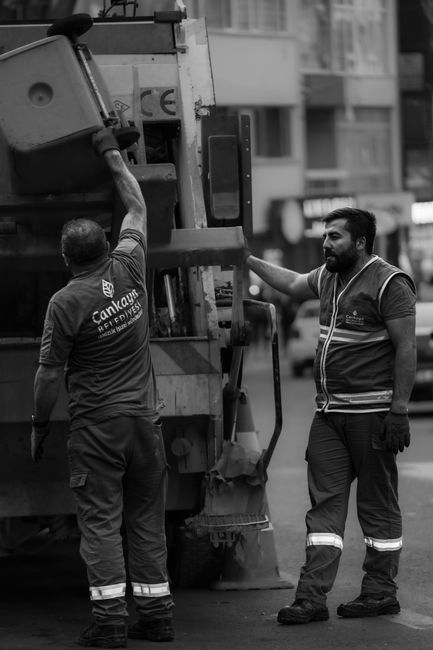
If you are arranging a clear-out, a renovation skip alternative, or a one-off bulky waste pickup, the difference between a decent crew and a properly licensed, safety-minded team is bigger than most people realise. In Haringey, that gap can affect your home, your neighbours, your time, and your peace of mind. Licensed Rubbish Collection Teams Haringey and Safety Standards is not just about getting rid of waste quickly; it is about doing it legally, safely, and without unpleasant surprises. And truth be told, that matters even more when access is tight, parking is awkward, or the load includes awkward, heavy, or potentially hazardous items.
This guide breaks down how licensed rubbish collection should work in Haringey, what safety standards you should expect, which warning signs to watch for, and how to choose a team that feels professional from the first call to the final sweep-up. You will also find a practical checklist, a comparison table, and a few local examples that make the decision a bit easier.
Why Licensed Rubbish Collection Teams Haringey and Safety Standards Matters
Rubbish collection sounds straightforward until you picture the real-world version: a narrow terraced street, a van parked half on the kerb, a fridge that needs two people to lift safely, and a pile of mixed waste that needs separating before anything leaves the property. That is where licensing and safety standards start to matter in a very practical way.
A licensed team is expected to handle waste lawfully and responsibly. A safety-focused team is expected to protect people, property, and the public space around the job. Put those together and you get fewer accidents, less risk of fly-tipping, and far less stress if anything goes wrong. Not glamorous, no. But absolutely essential.
In Haringey, the stakes are high because many jobs happen in busy residential streets, shared front gardens, flats with stairs, or tight access lanes. A careless operator can scratch walls, block pavements, leave debris behind, or dump waste where it should never have been taken. The reader's nightmare is simple: cheap today, expensive tomorrow.
Key takeaway: A good rubbish collection team should be able to explain licensing, insurance, lifting procedures, waste handling, and site safety without sounding vague or defensive. If they cannot, that is your first clue to keep looking.
This is also about trust. If you are clearing a home, office, garden, or building site, you want confidence that the waste will be removed properly. You want the job done neatly, with respect for your property and neighbours. If you are weighing up broader services, it can help to look at the wider services overview and understand how a professional operator handles different kinds of collections across the borough.
How Licensed Rubbish Collection Teams Haringey and Safety Standards Works
At its best, the process is simple for the customer and controlled behind the scenes by the team. Usually it starts with a description of what needs removing, where the items are located, and whether there are any access issues. A trustworthy provider should ask sensible questions, not just quote blindly and hope for the best.
From there, the team should assess the job type: domestic rubbish, garden waste, office clearance items, builders' waste, mixed bulky waste, or items needing special handling. That assessment shapes the van size, the number of crew, the lifting method, and the disposal route. Some jobs are quick and straightforward; others need a slower, more careful approach. There is no prize for rushing a dodgy load down a staircase.
Safety standards usually show up in small but important details:
- wearing suitable gloves, boots, and workwear
- using proper lifting technique for heavy or awkward items
- protecting floors, door frames, and communal areas
- separating reusable, recyclable, and general waste where possible
- keeping walkways clear during loading
- taking care around glass, sharp edges, liquids, and broken items
A reliable team will also be careful about access. If a van cannot get close to the property, the crew should adapt the load plan rather than forcing a risky shortcut. There is a good reason local access problems come up so often in rubbish collection planning; a small issue at the front gate can become a major delay if nobody has thought it through. For a nearby example of how access can shape a collection, see the local note on blocked-access rubbish collection.
Behind the scenes, the team should also be managing disposal responsibly. That means taking waste to lawful facilities, following segregation practices where appropriate, and avoiding the kind of shortcuts that lead to fly-tipping or poor environmental outcomes. If you are concerned about sustainability as well as safety, the site's recycling and sustainability approach gives you a clearer idea of what responsible handling looks like.
Key Benefits and Practical Advantages
There are obvious benefits to using a licensed team, but some of the best ones are the quiet, boring benefits you only notice later. That is usually how decent service works, to be fair.
1. Reduced legal and reputational risk
When waste is removed properly, you reduce the chance of issues linked to unlawful disposal, neighbourhood complaints, or avoidable fines. Nobody wants their name connected to a messy dumping incident because they trusted the wrong operator.
2. Safer handling of heavy or awkward waste
Mattresses, broken furniture, builders' rubble, and damp garden waste are all common examples of items that can go wrong if handled badly. Safe lifting, the right crew size, and proper loading technique matter more than people think.
3. Cleaner, faster completion
Professional teams tend to work in a rhythm: assess, protect, load, sweep, and go. That means less disruption, especially if you are at home, running a business, or trying to keep an event schedule intact.
4. Better waste sorting and recycling outcomes
A careful team should think beyond "in the van and gone". Sorting material correctly helps avoid unnecessary landfill and supports a more responsible disposal chain.
5. Less property damage
In Haringey, homes and commercial spaces often have narrow hallways, tight staircases, and older finishes that are easy to mark. Safe collection practices protect those surfaces.
If you are clearing a house after a move or preparing a flat for sale, professional rubbish removal can also support the wider property process. It is no surprise that local owners looking at Haringey residential property sales or planning a refresh often bring in a team early, simply to get the place in shape faster. Same principle if you are weighing a local move and reading about whether the area suits you via resident insights on Haringey.
Who This Is For and When It Makes Sense
This service is for far more people than the phrase "rubbish collection" suggests.
- Homeowners clearing lofts, garages, sheds, kitchens, or entire properties
- Tenants needing a clean exit before checkout or deposit inspection
- Landlords and agents dealing with leftover furniture, bagged waste, or end-of-tenancy mess
- Businesses clearing office furniture, paper waste, packaging, and old equipment
- Builders and contractors with rubble, timber, plasterboard, and mixed site waste
- Garden owners dealing with branches, turf, soil, and seasonal green waste
It makes sense whenever the waste is too much for normal household bins, too awkward for a car boot, or too risky to move without the right gear. If the job includes bulky items, mixed waste, or access complications, a licensed team is usually the cleaner choice. And if the project is business-related, the operational discipline tends to matter even more; office clear-outs and building jobs benefit from a more structured approach. For those situations, services such as office clearance in Haringey and builders waste disposal in Haringey sit naturally within the same safety conversation.
There is also the simple timing question. If you have a viewing, a deadline, or a last-minute event to prepare for, waiting around is not much fun. Some people also need the job done fast after a sudden change of plan. If that sounds familiar, a service shaped around same-day rubbish collection in Wood Green can be the difference between a stressful weekend and a manageable one.
Step-by-Step Guidance
Here is a sensible way to approach the job without overcomplicating it.
- List what needs removing. Be honest and specific. A mixed pile of furniture, bags, and building offcuts is very different from a few garden sacks.
- Check access. Think about stairs, lift availability, driveway width, parking restrictions, communal entrances, and where the van can stop.
- Flag any safety concerns early. Mention sharp objects, broken glass, damp waste, heavy appliances, or anything that might need extra care.
- Ask about licensing and insurance. You do not need a lecture. You need clear confirmation that the team operates properly and is covered for the work.
- Request a transparent quote. Make sure you know what is included: labour, loading, disposal, and any expected extras.
- Prepare the site. Clear a path where possible, keep children and pets away, and move fragile items out of the working zone.
- Walk the team through the load. A quick ten-second briefing often saves twenty minutes later.
- Inspect the area after collection. Look for stray nails, splinters, broken fragments, or missed items.
If you are trying to understand pricing before you commit, the page on pricing and quotes is a useful place to get your bearings. It helps to know the moving parts before the van turns up at the kerb.
A small but useful tip: keep a rough photo log of the waste pile before collection. Not for drama. Just for clarity. If there is any dispute about what was quoted or what was removed, you have a record. Simple, old-fashioned, a bit dull. Also very handy.
Expert Tips for Better Results
After a lot of collections, the same few habits keep showing up among the smoothest jobs.
Be exact about volume. Many delays start with vague descriptions like "a bit of rubbish". That can mean one sack or half a room. If you can, describe item types and rough quantity.
Separate what can be reused or recycled. The more clearly a load is sorted, the easier it is for the team to handle it responsibly. That can also make the job feel less chaotic on the day.
Plan for awkward items first. Fridges, wardrobes, desks, broken plasterboard, or soil bags often dictate the load plan. Deal with those mentally before you think about the lighter stuff.
Make parking and access boringly simple. If you can reserve a space, clear the entrance, or warn neighbours about a temporary blockage, do it. Less friction, fewer surprises.
Ask how the team protects the property. Good crews often use careful carrying routes, and some will plan floor protection or cautious manoeuvring through stairwells. That is the kind of detail that separates professionals from guessers.
Do not assume "cheap" means efficient. Low headline prices can hide extra labour or disposal charges. There is a whole separate headache around that, and it deserves attention. If you want to understand the trap better, avoiding hidden rubbish charges in Haringey is worth a look before you sign off on anything.
And one more thing: if you are clearing green waste specifically, ask whether it is being handled as garden material and not simply mixed with general rubbish. For seasonal jobs, the local guide to garden waste removal in Crouch End gives a useful sense of how that type of work is often approached.
Common Mistakes to Avoid
Most problems are preventable. That is the slightly annoying truth.
- Choosing on price alone. A low quote can be fine, but not if it strips out proper handling, waste disposal, or insurance cover.
- Not mentioning access issues. A narrow entrance or blocked road can change the whole job plan.
- Leaving hazardous items unflagged. Broken glass, chemicals, paint tins, batteries, and similar items need extra caution and may require special handling.
- Assuming every item can go together. Mixed waste is normal, but some materials need different treatment.
- Skipping documentation. Even a simple booking confirmation can save time if questions come up later.
- Forgetting neighbour impact. Noise, parking, and blocked access are often small annoyances that become big complaints.
One common local scenario is a last-minute collection outside a busy venue or event space. The job may look simple until a delivery truck arrives, the pavement is tight, and everyone is carrying boxes at the same time. If you are planning around a gathering, the local article on rubbish pickup for Alexandra Palace events shows why timing and access planning are not just nice-to-haves.
Another issue is assuming every neighbourhood behaves the same. A collection in Tottenham may not feel like a collection in a quieter part of the borough. If you are comparing local cost pressure, the article on cheap rubbish removal in Tottenham is a useful reality check.
Tools, Resources and Recommendations
You do not need a toolkit the size of a builder's van to make the process easier, but a few simple things help.
- Basic measurements for doorways, stair width, and garden access
- Phone photos of the waste pile from different angles
- Labels or tape to mark items that should stay, if the area is crowded
- Heavy-duty gloves if you are sorting the area before the team arrives
- Bin bags or boxes for smaller loose items that might otherwise scatter
For broader company information, it is sensible to review about us so you understand the service philosophy and how the business presents itself. If your concern is specifically about trust, workplace ethics, and responsible operations, the pages on insurance and safety, terms and conditions, and payment and security are the kind of plain-language references that help you feel grounded.
For household jobs, the core service pages are also useful touchpoints: rubbish collection in Haringey, waste removal in Haringey, house clearance in Haringey, and garden waste removal in Haringey. Different jobs, same basic expectation: the work should be organised, careful, and lawful.
Law, Compliance, Standards and Best Practice
Without getting bogged down in legal jargon, a licensed rubbish collection operation should meet the ordinary expectations that apply to waste handling in the UK: lawful carriage, responsible disposal, and a clear duty of care around safety. That includes protecting workers and the public, managing waste appropriately, and avoiding behaviour that could put waste at risk of being fly-tipped.
Best practice usually means the team can answer straightforward questions about where waste goes, how mixed loads are handled, and what happens if an item needs special care. They should also be able to explain their approach to insurance and workplace safety in a way that feels calm, not evasive. If they get oddly defensive about the basics, that is rarely a great sign.
For customers, the practical rule is simple: do not rely on assumptions. Ask. A proper operator should be comfortable with questions about licensing, disposal, and safety. In fact, if they welcome those questions, that is often a sign of professionalism rather than inconvenience.
Some jobs also come with extra local sensitivity. Residential streets, flats, and commercial access points in Haringey can create public safety concerns if a collection is badly managed. That is why being organised matters. It is not about bureaucracy for its own sake; it is about not making a mess for everybody else.
If you want a simple operational standard to follow, use this one: the team should leave the area safer, clearer, and tidier than it was when they arrived. Anything less feels incomplete.
Options, Methods and Comparison Table
There are usually a few ways to deal with rubbish, and the right one depends on volume, urgency, access, and the type of waste.
| Option | Best for | Strengths | Limitations |
|---|---|---|---|
| Licensed rubbish collection team | Mixed household, office, garden, or bulky waste | Convenient, managed loading, safer handling, responsible disposal | May cost more than doing it yourself, depending on volume |
| Self-removal to a disposal site | Small loads with easy transport | Direct control over the process | Time-consuming, physically demanding, vehicle-dependent |
| Ad hoc unlicensed pickup | Rarely a good choice | Sometimes cheap upfront | Higher risk, weak accountability, disposal uncertainty |
| Phased clear-out | Large homes, business relocations, or ongoing projects | Less overwhelming, more control over what stays and goes | Takes longer and needs more planning |
For most people, a licensed team is the most practical answer because it reduces lifting, sorting, disposal, and transport stress in one go. That becomes especially useful for moves, refurbishment work, or time-sensitive clear-outs where one bad delay ripples through the whole day.
Case Study or Real-World Example
Here is a typical Haringey-style scenario. A small landlord needs a flat cleared after a tenant move-out. The property is on an upper floor, access is via a narrow staircase, and there is a mix of old shelving, broken chair parts, a mattress, several bin bags, and a few items from the kitchen that should not be carried carelessly.
A rushed crew might send one person, arrive late, and immediately start dragging items down the stairs. That is exactly how scuffed walls, strained backs, and neighbour complaints happen.
A better team does it differently. They confirm the waste list beforehand, arrive with the right number of people, plan the carrying route, protect the common area as much as practical, and remove items in stages so the staircase never becomes blocked. They check for broken glass, keep the hall tidy, and leave the flat ready for cleaning. Nothing flashy. Just competent.
The difference is felt in the details. Fewer arguments. Less noise. No guessing. And when the landlord later prepares the property for viewings, the place feels reset rather than half-finished. If you are looking at the wider property journey, a clear-out like this sits neatly alongside Haringey real estate and smart investment planning because presentation really does affect outcomes.
Practical Checklist
Use this before the team arrives.
- Have you listed every major item to be removed?
- Have you mentioned stairs, lifts, narrow entrances, parking, or road restrictions?
- Have you flagged any heavy, sharp, damp, or potentially hazardous items?
- Do you understand what the quote includes?
- Have you confirmed the team is licensed and insured?
- Have you protected fragile surfaces or moved valuables away from the working area?
- Have you told neighbours if access may be briefly affected?
- Have you checked what should stay versus what should go?
- Have you kept a quick photo record of the waste pile?
- Do you know where to contact the team if the load changes on the day?
Practical summary: the safest collections are the ones that feel a little over-prepared before they start. That is a good thing. A calm plan beats a heroic scramble every time.
Get a free quote today and see how much you can save.
Conclusion
Licensed rubbish collection in Haringey should give you more than a cleared space. It should give you confidence that the work was handled properly, that people were kept safe, and that the waste left your property by a lawful route. When those things line up, the whole job feels easier. You sleep better. The place looks better. The stress drops away.
If you are comparing teams, keep your eye on the basics: licensing, insurance, safety habits, clear communication, and a sensible attitude to disposal. That combination is what separates a proper service from a risky shortcut. And honestly, once you have seen the difference, you tend to spot it very quickly.
In a busy borough like Haringey, good rubbish collection is part logistics, part care, and part common sense. The best teams make it look simple because they have done the careful work behind the scenes. That is the bit worth paying attention to.
 Tipper Van - Rubbish Collection and Commercial Waste Disposal Prices in Haringey, N4
 Luton Van - Rubbish Collection and Commercial Waste Disposal Prices in Haringey, N4